
An autonomous ride-on pallet jack that handles the highest-volume, ground-level pallet moves — dock unloading, staging area transport, and conveyor infeed without a single driver.
A Pallet Jack AMR is an autonomous version of the ride-on electric pallet jack — the workhorse of dock-to-floor pallet handling. It inserts its forks into standard EUR or CHEP pallets at ground level, lifts them 80–100 mm off the floor, and transports them autonomously to any pre-mapped destination.
Because it operates at floor level only (no racking reach), it has a lower capital cost and simpler safety envelope than a full Forklift AMR. It is ideally suited for dock-to-staging, staging-to-conveyor infeed, and floor-level bulk storage areas where 80–90% of moves are horizontal rather than vertical.
For facilities that already have an FMR handling high-rack put-away, the Pallet Jack AMR handles the lower-value, high-volume floor moves — freeing FMRs for racking cycles and improving overall fleet ROI.
Heavy-duty drive units handle double-stacked or overweight pallets. Load cell feedback automatically limits speed when near maximum payload to protect drive components.
Anti-shock dock bumper and ramp approach algorithm for seamless trailer entry/exit. Works with leveller-equipped docks; can hold position at dock lip awaiting unload signal.
No reflectors, no floor tape, no magnets. Full SLAM LiDAR mapping with dynamic obstacle avoidance — redeploy to a new area with a 30-minute map walk.
Front + rear safety LiDAR with 3-zone field (warn 3 m / slow 1.5 m / stop 0.5 m). Load-drop detection stops the robot if a pallet shifts during travel. PL-d certified.
Full shift without battery swap. Smart charging stations allow opportunity top-ups between tasks — the robot self-docks autonomously when idle time exceeds 5 minutes.
Lightweight REST API requires minimal WMS configuration — just source, destination, and pallet ID. Typical integration project: 2–4 weeks including go-live testing.
| Type | Autonomous ride-on pallet jack |
|---|---|
| Payload Capacity | 2,000 kg |
| Fork Lift Height | 80–100 mm (travel height) |
| Fork Length | 1,150 mm standard |
| Fork Width (outer) | 540 / 680 mm (select) |
| Max Speed (laden) | 2.2 m/s |
| Max Speed (unladen) | 2.5 m/s |
| Navigation | SLAM LiDAR |
| Positioning Accuracy | ±30 mm at destination |
| Robot Dimensions | 1,600 × 700 × 1,250 mm |
| Robot Weight | 320 kg (unladen) |
| Battery | 48 V / 100 Ah LiFePO₄ |
| Runtime | ≥ 12 h standard duty |
| Safety Certification | ISO 3691-4, PL-d, CE |
| Min Aisle Width | 2,200 mm |
|---|---|
| Floor Requirements | Smooth concrete; FF ≥ 25 |
| Max Ramp Grade | 8° (standard); 12° (heavy-duty) |
| Pallet Compatibility | EUR 800×1200, CHEP, half-pallet |
| Operating Temp | -5°C to +40°C |
| Communication | Wi-Fi 802.11ac 5 GHz |
| FMS API | REST, MQTT |
| WMS Integration | SAP, Oracle, custom |
| Max Fleet per Zone | 30 units |
| Charger | Auto-dock, opportunity charging |
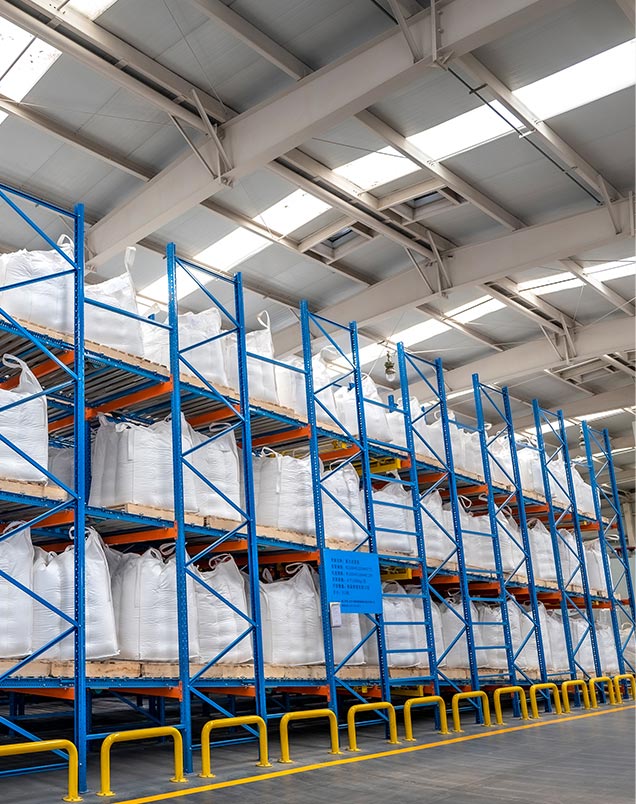
Move inbound pallets from dock doors to staging lanes continuously — no waiting for a driver between trucks.
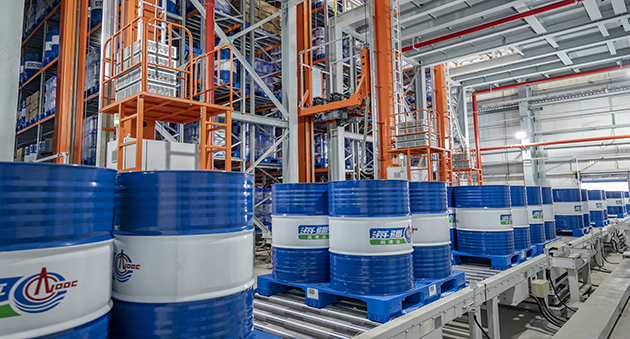
Deliver pallets to depalletiser or stretch-wrap infeed stations on-demand, triggered by conveyor system signals.
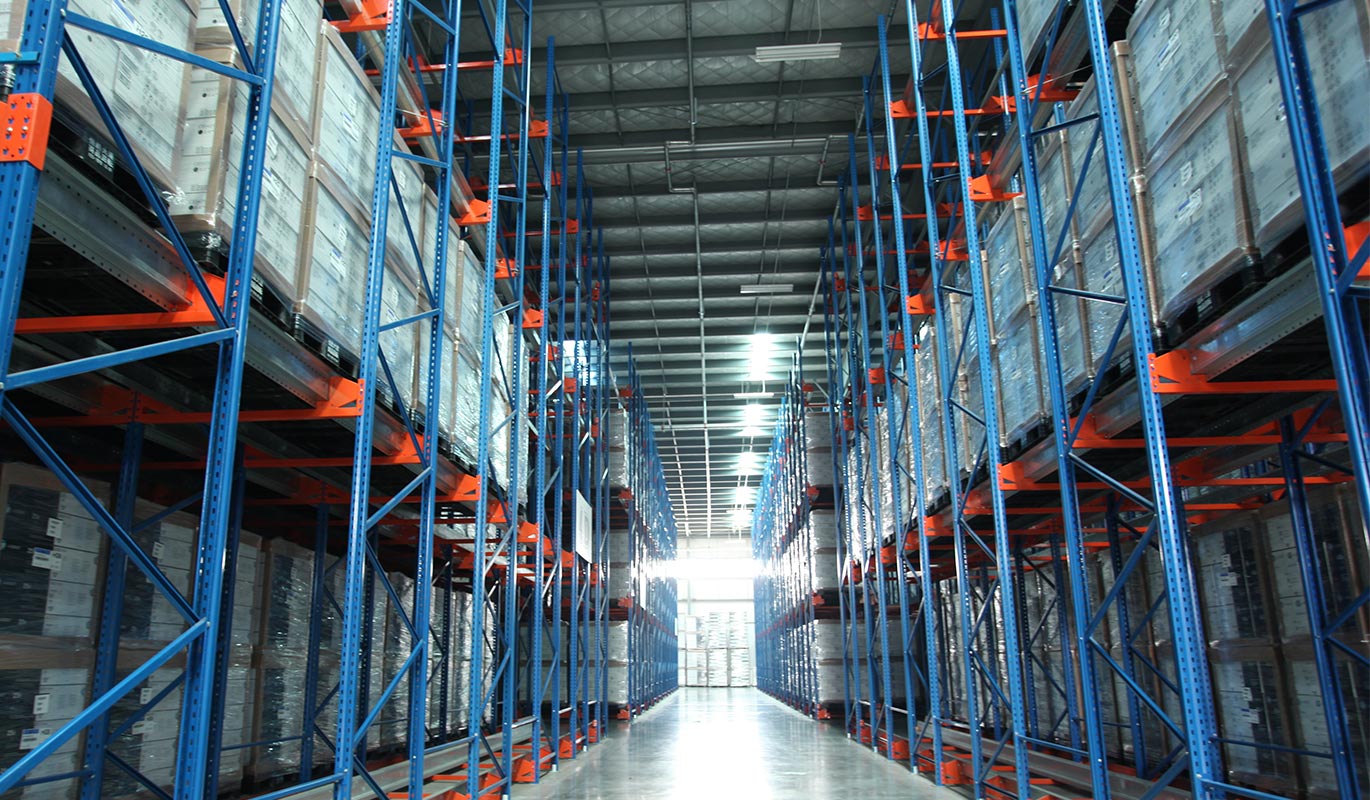
Move completed pallets from pick lines or stretch-wrap to outbound dock lanes — eliminate forklift congestion at peak despatch.
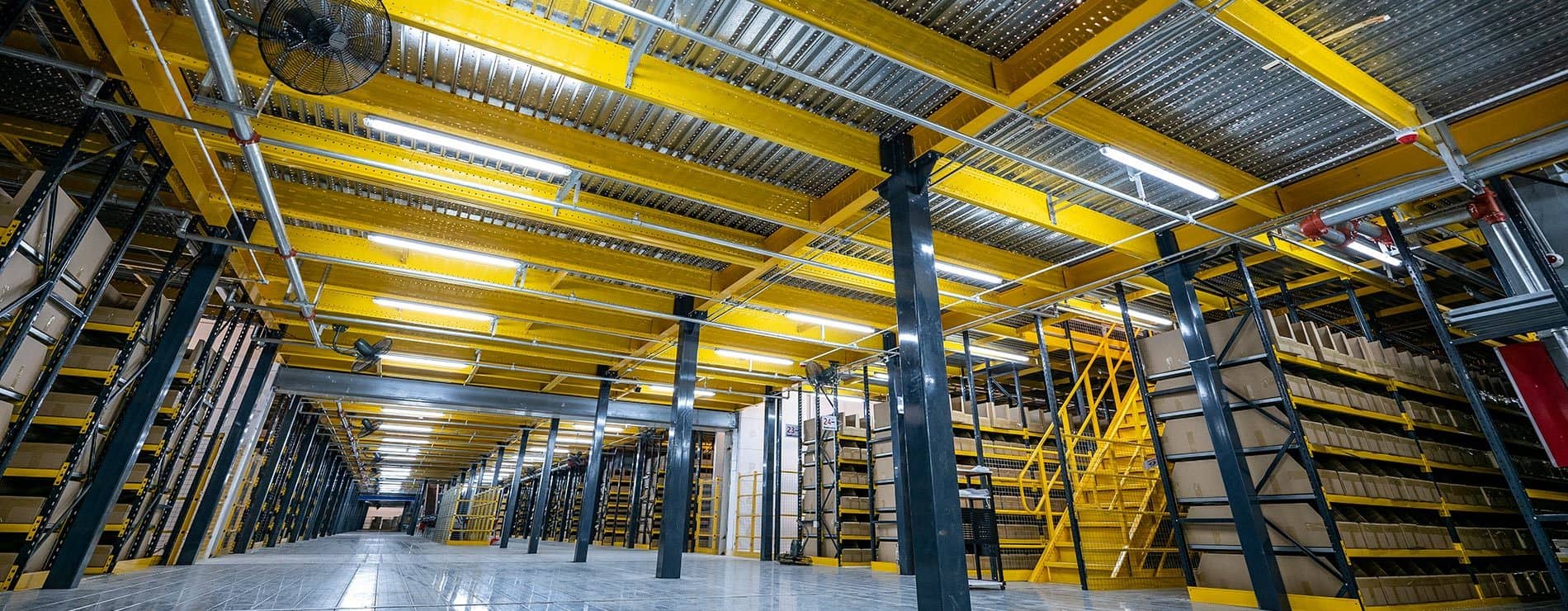
Continuously rotate and reorganise floor-stacked bulk pallet blocks on FIFO/FEFO rules without manual labour.
Autonomous forklift for racking put-away and retrieval up to 6 m height — the natural pairing with the Pallet Jack AMR.
Autonomous cart transport for lighter unit-load moves where full pallet capacity is not required.
High-density pallet racking — combine with Pallet Jack AMR for inbound infeed and outbound retrieval automation.
Calculate your ROI on high-volume dock and staging moves — speak to our engineers today.
Request ROI Analysis