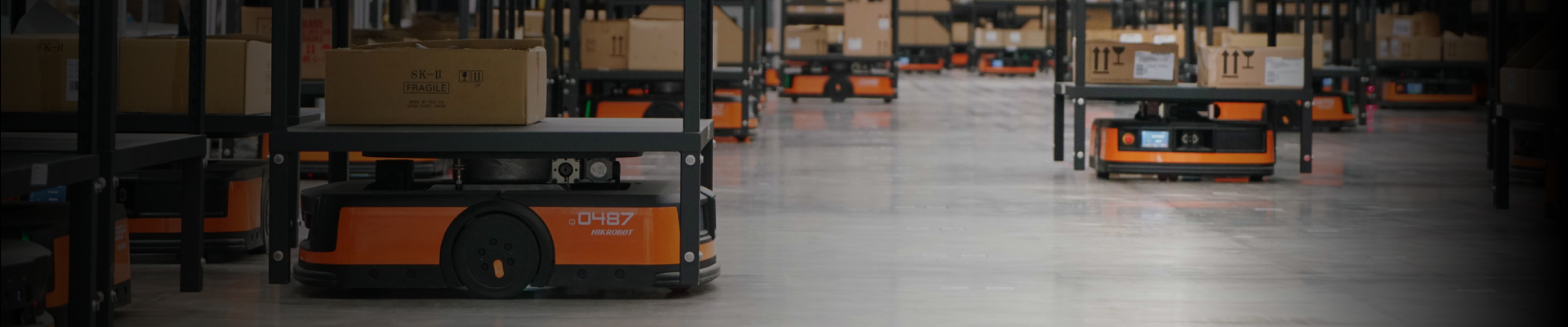
A compact, high-speed AMR purpose-built for individual carton and parcel handling — autonomously sorts, buffers, and transfers cartons at 1,000+ units/h without fixed conveyor infrastructure.
A Carton Transfer Unit (CTU) is a compact, high-speed AMR designed specifically for individual carton and parcel handling. Unlike a tote-carrying CMR, the CTU's onboard conveyor is optimised for single-carton, high-cycle operation — picking up one carton from an infeed station and delivering it to any of hundreds of chutes, packing lanes, or despatch conveyors in the facility.
The key differentiator is throughput: a CTU fleet achieves 1,000+ carton sorts per hour across any-to-any routing, without the fixed cost or layout constraints of a traditional crossbelt or sliding-shoe sorter. The system scales linearly — double the robot count, double the throughput, with no mechanical or infrastructure changes.
CTUs are particularly effective in order fulfilment operations where each customer order requires a different carton destination, and sortation routing changes frequently (daily or hourly) based on carrier cutoffs, peak promotions, or carrier allocation changes.
At 15 m average route length, a 20-CTU fleet processes 1,000+ cartons/h. Throughput scales linearly — add robots for more capacity, no mechanical changes.
Any chute, packing lane, or conveyor port on the map is a valid destination. Sortation rules in WMS change instantly — no hardware reconfiguration needed.
Multi-face barcode scanner at the induction station reads 1D/2D codes on any carton face with >99.5% read rate — no manual scan required for induction.
CTU fault → FMS re-assigns task to another CTU in <30 s. The system never stops for a single robot failure — unlike a fixed sorter where one belt fault stops the line.
Handles cartons from 150×100×50 mm up to 600×400×400 mm and up to 30 kg — a single CTU type covers parcels, shippers, and polybag-on-board configurations.
WMS sortation rules connect directly to carrier cut-off windows, route coding, and OMS wave plans — cartons are automatically sorted to the correct carrier chute and close-time sequence.
| Drive Type | Differential, 4-wheel |
|---|---|
| Max Travel Speed | 2.5 m/s |
| Max Carton Weight | 30 kg |
| Carton Size Range | 150×100×50 mm to 600×400×400 mm |
| Onboard Conveyor | Dual-belt with edge guides |
| Belt Transfer Speed | 0.5 m/s |
| Docking Accuracy | ±5 mm |
| Positioning Navigation | SLAM LiDAR + QR spot markers |
| Robot Dimensions | 750 × 550 × 380 mm |
| Robot Weight | 60 kg |
| Battery | 48 V / 40 Ah LiFePO₄ |
| Runtime | ≥ 10 h |
| Safety | ISO 3691-4, PL-d, CE |
| IP Rating | IP54 |
| Min Aisle Width | 1,200 mm |
|---|---|
| Fleet Throughput (20 CTUs, 15 m) | 1,000–1,200 cartons/h |
| Max Fleet per Zone | 100 CTU units |
| Induction Stations | 1 per 8–12 CTUs |
| Destination Ports (max) | Unlimited (FMS soft limit) |
| Barcode Scanner | Multi-face, 1D/2D, >99.5% read rate |
| Communication | Wi-Fi 802.11ac 5 GHz |
| FMS API | REST, MQTT, event-driven |
| WMS Integration | Sortation rules, carrier codes |
| Charger | Auto-dock, opportunity charging |
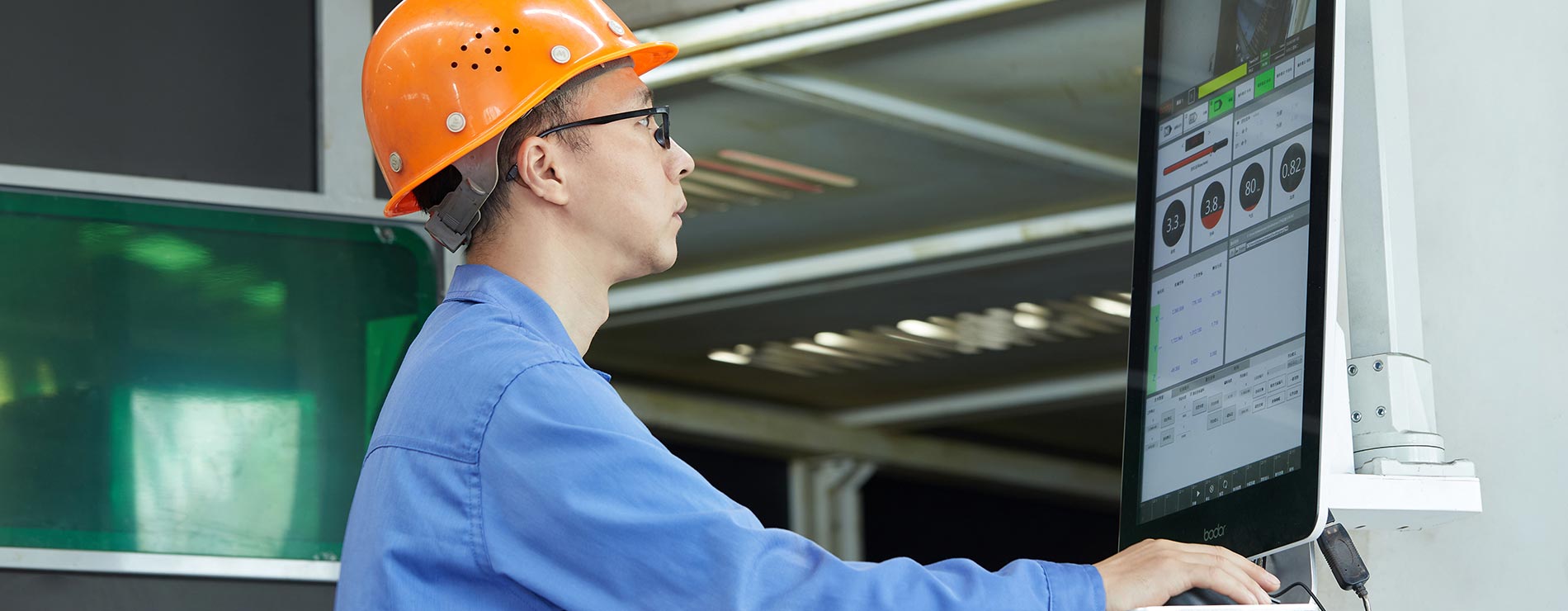
Carrier sortation, batch-to-single order collation, and peak-volume despatch management with dynamic chute assignment.
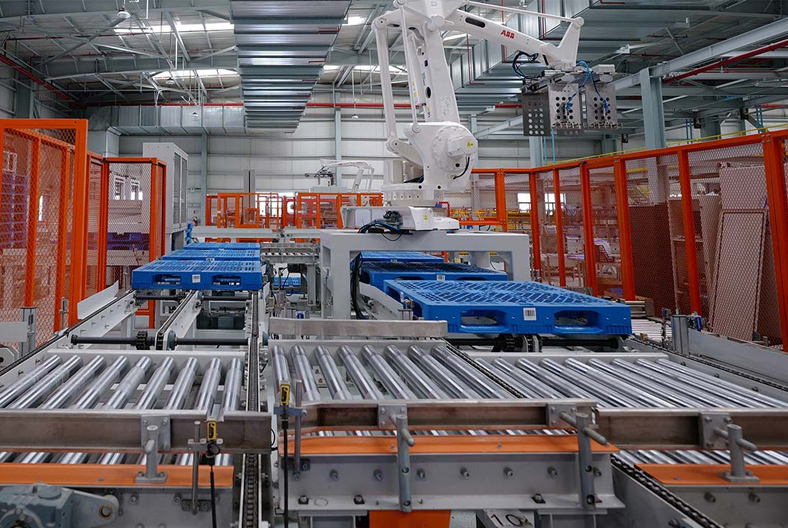
Postcode/route sortation for last-mile carrier operations — replace fixed crossbelt sorter with a CTU fleet that reconfigures sortation rules in seconds.

Sort cartons to store, department, or delivery route lanes — supports multi-store despatch and cross-docking operations from a single CTU fleet.
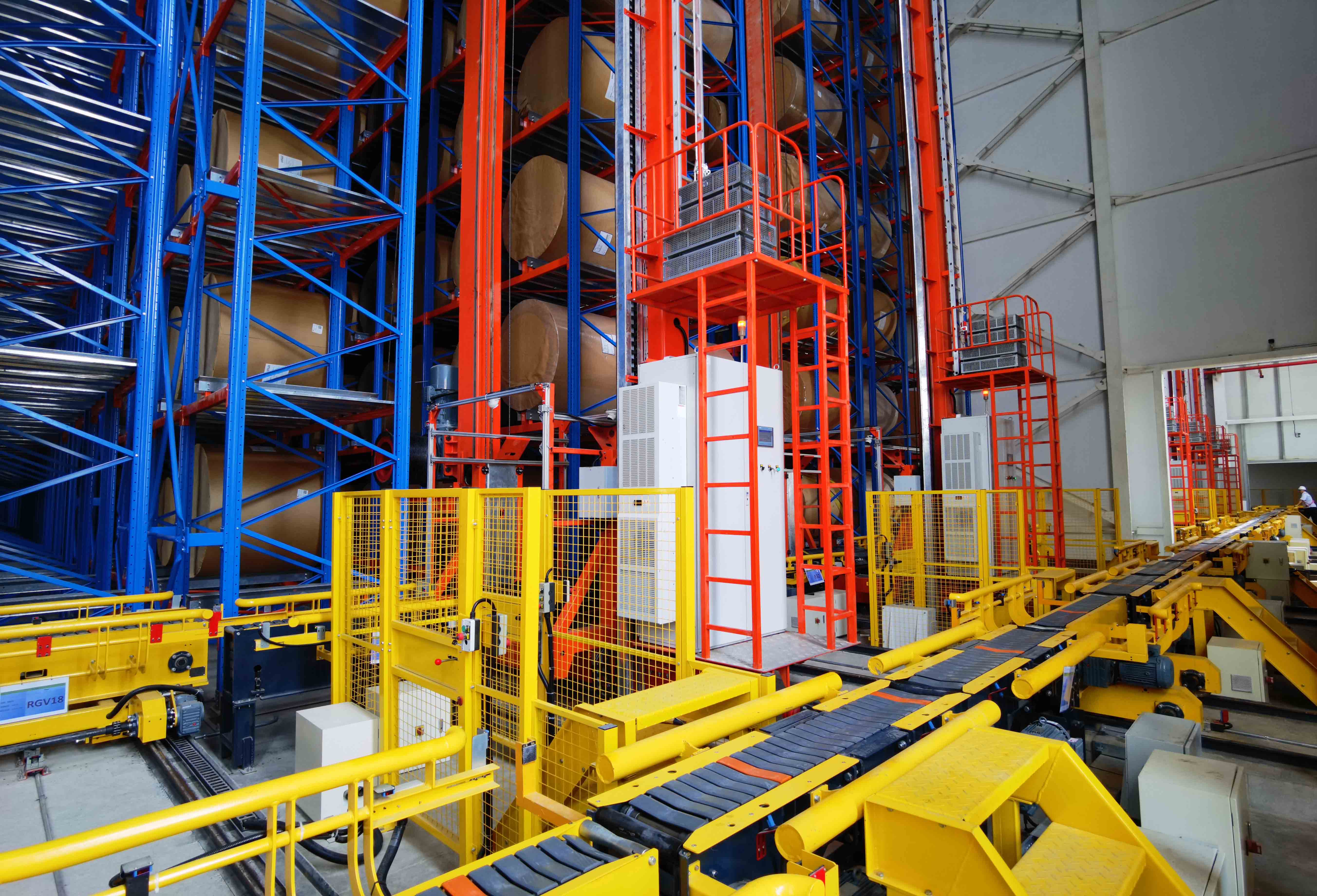
Sort individual part cartons to assembly line kitting stations — JIT delivery of the right carton to the right station without manual trolley pushing.
Tote-level conveyor bridging for heavier unit loads — the CMR pairs with the CTU in multi-tier sortation systems.
Goods-to-person picking upstream of the CTU — LMR delivers pods, operators pick to carton, CTU sorts cartons to despatch.
High-density tote ASRS — buffer cartons before CTU sortation in a shuttle system for peak-smoothing in despatch windows.
Get a sortation throughput simulation with your parcel profile and destination chute count.
Request Sortation Simulation